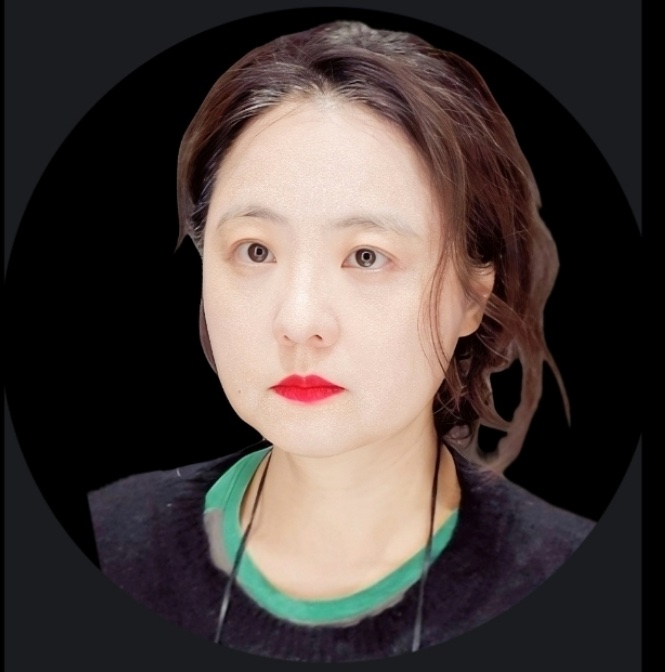
JIEUN JEONG, Ph.D.
Twitter About me Photos Blog Contact
Citizenship: US permanent resident, citizen of Republic of Korea
EDUCATION
B.A. in Computer Science
The University of Texas at Austin, Austin, Texas, USA

Ph.D. in Computer Science and Engineering
Pennsylvania State University, University Park, Pennsylvania, USA
- Thesis: Algorithms for classification and prediction of protein structure and function
- Committee members: Prof. Arthur Lesk, Prof. Webb Miller, Prof. Reka Albert, Prof. Piotr Berman

PROFESSIONAL INTERESTS
I want to apply experience in computer science, mathematics, statistics and biology to problems in biotechnology such as developing new therapies, diagnostic methods etc.. I am interested in finding connections between data, mathematical/statistical concepts, and biological concepts such as biological interaction networks, protein complexes, mechanisms of gene regulation, epigenomics, etc.. Most importantly, I want to obtain and present findings that are useful to biologists.
INDUSTRY EXPERIENCE
I have been working in biotech industry in Boston area since 2021. For more information or my CV, please send me email. Currently I live in Cambridge, Massachusetts. I spent period in Seoul, S. Korea from September 2019 to February 2021 (For part of that time I was Head of Genomics in
a startup company).
.
HIGHLIGHTED RESEARCH EXPERIENCE
Associate Scientist 2016 – 2022
Broad Institute of Harvard and MIT, Cambridge, MA
Visiting Scientist and Research Scientist 2016 – 2019
Manolis Kellis Lab, Computer Science and Artificial Intelligence Laboratory (CSAIL), MIT, Cambridge, MA


My first project was on comparing immune systems of beagle dogs and humans using beagle dogs RNA-seq data obtained by the collaborator and public RNA-seq data for human immune cells. The main finding was that there is a strong similarity between beagle T-cells with activated human T-cells.
In my second project I compared a panel of tissues/organs with GTEx data for humans and matching RNA-seq data for mouse to evaluate divergence and consistency. I observed that in some tissues genes that have no 1-1 homology or no homology at all play important role as it can be seen by their high expression levels. I found examples for two situations: a mouse tissue having a role that is absent in humans, and two species have different adaptations to their life conditions using genes from closely related families. I also observed that some function “migrate” between the tissues.
Both projects have manuscripts in preparation. Preliminary manuscript on the role of genes without 1-to-1 homology in diseases is in bioRxiv [link to the paper].
Additionally, I designed a visualization of large scale linkage disequilibrium heatmaps with tools that reveal complex structure of LD [link to the slide].
Post-Doctoral Fellow and Bioinformatics Scientist (Supervisor: Prof. Marisa Bartolomei) 2012 – 2014
The University of Pennsylvania, Epigenetics Program in Cell and Developmental Biology and IDOM
Perelman School of Medicine, Philadelphia, PA

Projects with several laboratories of the program on data analysis and experiment design. My work was included in four publications [links to the papers 2,3,4,11].
Post-Doctoral Fellow (PI: Prof. Andrew P. McMahon) 2011 – 2012
Harvard University, Department of Stem Cell and Regenerative Biology,
School of Faculty of Arts and Sciences, Cambridge, MA

Conducted analytic work on identifying new aspects of gene regulation during the neural tube
development, from data on gene expression, binding of key transcription factors to DNA and the distribution of epigenetic modifications. Identified gene targets of the transcription factors, their patterns of the cooperation and competition, and spatial/temporal patterns of the epigenetic
modifications associated with their binding sites. These patterns included short-range changes
surrounding the binding sites as well as larger scale patterns that suggested a new role of PRC and Polymerase II in determining the boundaries of layers formed in the developing neural tube [links to the paper 1, 18].
Post-Doctoral Research Fellow (PI: Prof. Winston Hide) 2009 – 2011
Harvard University, Department of Biostatistics, School of Public Health, Boston, MA

Analyzed expression data to identify dysregulated pathways and possible therapy targets for
Glioblastoma [link to the paper 5]. Also developed an algorithm with collaboration with Leonard Zon group at Harvard Stem Cell Institute for interpreting data from a morpholino screen of chromatin factors, identifying possible complexes of chromatin factors that have key role in the development of blood in zebrafish embryo.
Research Intern (Director: Dr. David Lipman) Summer 2004 and 2006 – 2007
National Center for Biotechnology Information (NCBI), National Institute of Health (NIH), Bethesda, MD

Projects on protein structure prediction and classification. My work was included in four publications [links to the papers 6, 8, 10, 13].
Research Assistant Summer 2005 and 2007
Pennsylvania State University, University Park, PA
Projects on network analysis and systems biology and protein structure prediction [links to the papers 6, 7, 8, 9, 10, 13].
SUMMARY OF EXPERIENCE
- Many years of experience with processing and analysis of NGS data (ChIPseq, RNAseq and others) and other high-throughput data
- Extensive experience with downstream analysis (e.g., integration of different data sources such as omics data and epigenomic data, network analysis) in the context of discovery of biomarkers and therapeutic targets
- Deep knowledge of epigenomics
- Developed several novel computational methods
- Computational biologist with a passion for biological discoveries, developing computational methods and biological data analysis
- Many years of experience with working in an interdisciplinary team with biological laboratory scientists, clinicians and computational scientists
SELECTED PUBLICATIONS
Journal Publications
1. Yuichi N, Zhang X, Jeong J, Peterson KA, Vedenko A, Bulyk ML, Winston HA, McMahon AP. A direct fate exclusion mechanism by Sonic hedgehog-regulated transcriptional repressors. Development. 2015;142(19):3286-3293. [link]
2. Pascual-Garcia P, Jeong J, Capelson M. Nuclear pore protein Nup98 associates with histone modifying complexes and regulates Hox gene expression. Cell Reports. 2014;9(2):433-442. [link]
3. Jeong J. The role of Cockayne Syndrome Protein B in transcription regulation. Genomics Data. 2014;2:302-304. [link]
4. Lake RJ, Boetefuer E, Tsai P, Jeong J, Choi I, Won K, Fan H. The Sequence-Specific Transcription Factor c-Jun Targets Cockayne Syndrome Protein B to Regulate Transcription and Chromatin Structure. PLoS Genetics. 2014;10(4):e1004284. [link]
5. Sandberg CJ, Altschuler G, Jeong J, Strømme KK, Strangeland B, Murrell W, Grasmo-Wendler UH, Myklebost O, Helseth E, Vik-Mo EO, Hide W, Langmoen IA. Comparison of glioma stem cells from the adult human brain identifies dysregulated Wnt-signaling and a fingerprint associated with clinical outcome. Experimental Cell Research. 2013;319(14):2230-2243. [link]
6. Berman P, Jeong J. Consistent sets of secondary structures in proteins. Algorithmica. 2009;53(1):16-34. [link]
7. Jeong J, Berman P. On cycles in the transcription network of Saccharomyces cerevisiae. BMC Systems Biology. 2008;2:12. [link]
8. Jeong J, Berman P, Przytycka T. Improving strand pairing prediction through exploring folding cooperativity. IEEE/ACM Transactions on Computational Biology and Bioinformatics. 2008;5(4):484-91. [link]
9. Jeong J, Berman P. Low-cost search in scale-free networks. Physical Review E. 2007;75:036104. [link]
10. Jeong J, Berman P, Przytycka T. Fold classification based on secondary structure – how much is gained by including loop topology?. BMC Structural Biology. 2006;6:3. [link]
Conference Publications
11. Jeong J, Gupta M, Poleshko A, Epstein JA. Combinatorial identification of broad association regions with ChIP-seq data. In Proceedings of the 9th International Joint Conference on Biomedical Engineering Systems and Technologies (BIOSTEC) 2016;3:27-34. [link]
12. Jeong J, Chen J. RIC: Ranking with Interaction Chains and its Applications in Computational Clinical Proteomics Studies. In Proceedings of the International Conference on Bioinformatics & Biomedicine (BIBM) 2009;216-221. [link]
13. Jeong J, Berman P, Przytycka T. Bringing folding pathways into strand pairing prediction. In Proceedings of the Workshop on Algorithms in Bioinformatics (WABI) 2007;38-48. [link]
14. Berman P, Jeong J, Kasiviswanathan S, Urgaonkar B. Packing to angles and sectors. In Proceedings of the 19th ACM Symposium on Parallelism in Algorithms and Architectures (SPAA) 2007;171-180. [link]
Preprints
15. Jeong J, Kellis M. Comparison of human and mouse tissues with focus on genes with no 1-to-1 homology. bioRxiv 2021.05.22.445250. [link]
Book Chapters
16. Jeong J and Chen J. Techniques for Prioritization of Disease Genes, in Computational Intelligence and Pattern Analysis in Biological Informatics. John Wiley & Sons, Inc., Hoboken, NJ, USA. November 2010, pp. 309-324. [link]
Posters
17. Dey J, Liu P, Mayo M, Karnik R, Yang B, Dixit V, Jeong J, Shaw J, Shi Y, Breitkopf S, Dirk W, Sharma K, Gollob J, De Savi C. Targeted STAT3 Degradation Leads to Remodeling of an Immunosuppressive Tumor Microenvironment and Subsequent Sensitization to Immune Checkpoint Inhibition. SITC 2021 [link]
18. Jeong J, Nishi Y, McMahon A. Polycomb repression and RNA polymerase in neural tube development. HSCI Malkin Retreat: Innovating Stem Cell Research, Harvard University,May 18,2012. ISMB/ECCB 2013, Berlin, Germany, July 19-23, 2013 [link, link]
19. Jeong J, Krivtsov A, Armstrong S, Hide W. Pathway Guided Modules –
a method to identify key proteins. Intelligent Systems for Molecular Biology (ISMB), Boston, Massachusetts, July 11-13, 2010 [link]
20. Jeong J and Berman P. Cycles in the transcription network of S. cerevisiae.
RECOMB Regulatory Genomics 2007, MIT/Broad, Oct 11-13, 2007 [link]
21. Berman P and Jeong J. Consistent sets of secondary structures in proteins.
DIMACS Workshop on Information Processing by Protein Structure in Molecular
Recognition, Rutgers University, June 13-14, 2005
RECOMB 2006, Venice Lido, April 2-5, 2006
GRANT PROPOSAL WRITING
I have participated in preparing the following grant proposals:
| Agency | Year | Title |
|---|---|---|
| NICHD/NIH | 2014 | Male germline development and estrogenic exposures (scored in 3%) |
| NICHD/NIH | 2012 | Regulation of polarity by Sonic hedgehog morphogen signaling |
| NIH | 2011 | Characterization of the Zebrafish Epigenome During Organ Development |

